






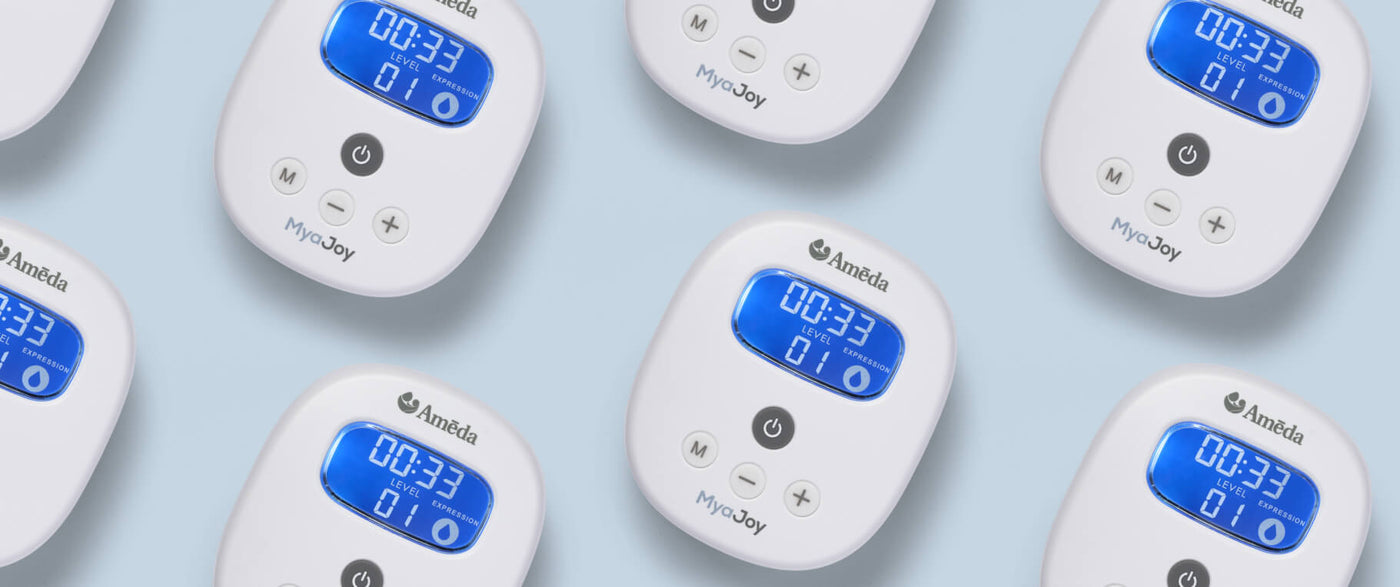
Mom-Approved Best Sellers
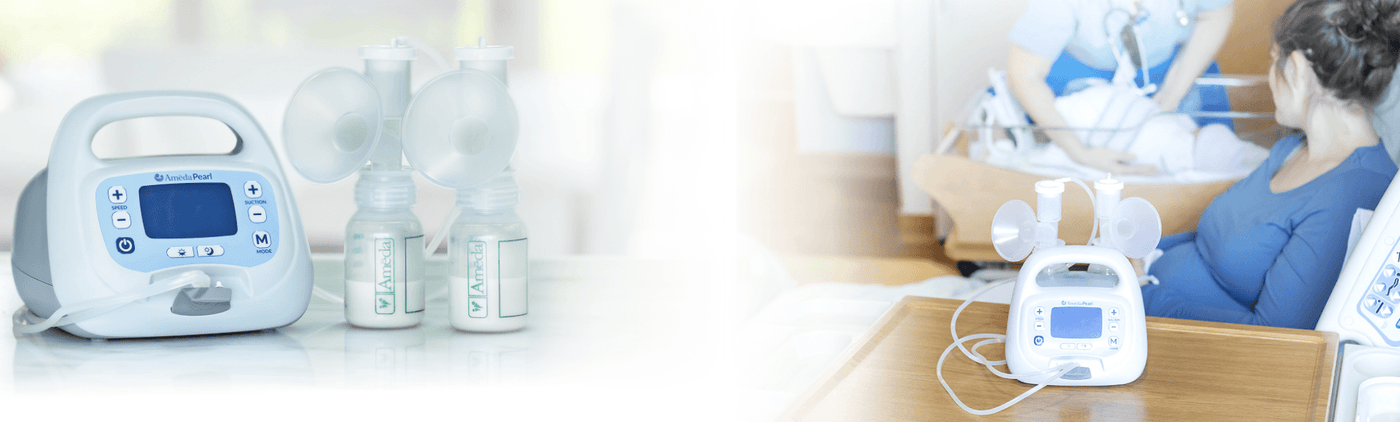
Pump Without Compromise
-
 New Arrival!
 -

 New Arrival!
 -

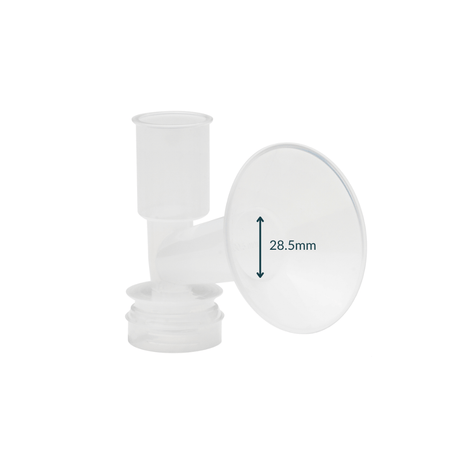
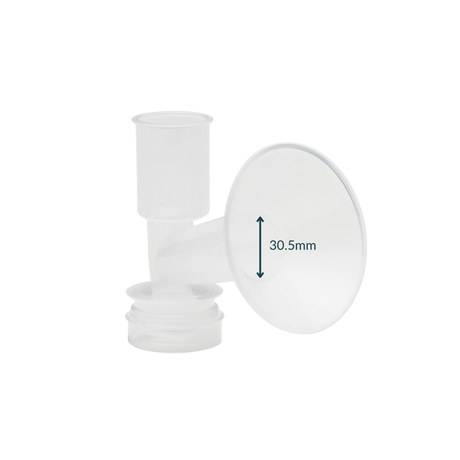
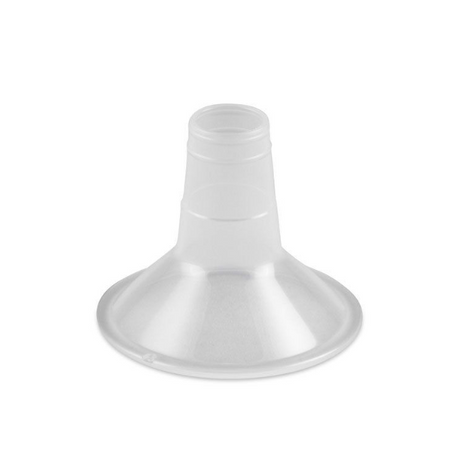
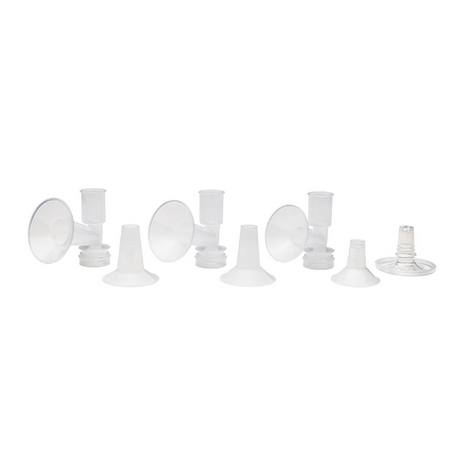
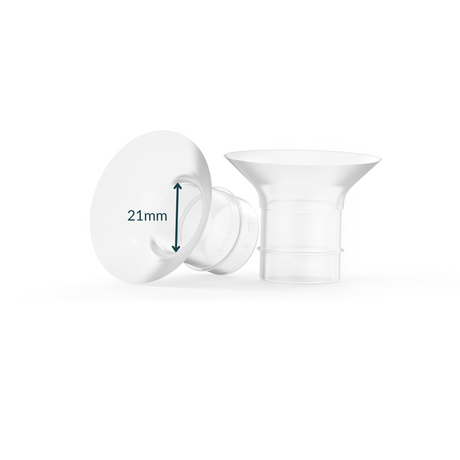
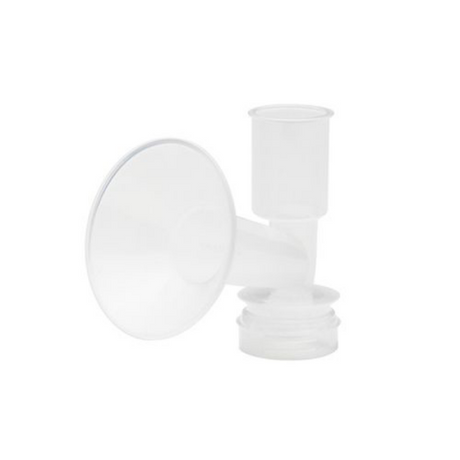
![Ameda CustomFit Breast Pump Flanges™ and Inserts; Comfort Fit Angled Flange]()
![Ameda CustomFit Breast Pump Flanges™ and Inserts; Comfort Fit Angled Flange]()
![Ameda CustomFit Breast Pump Flanges™ and Inserts; Comfort Fit Angled Flange]()
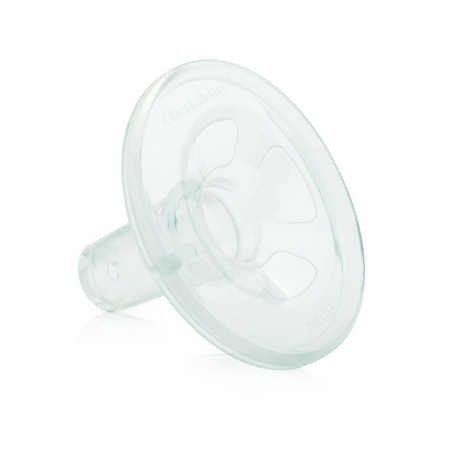
![A transparent, flexible silicone breast shield, designed with a wide circular base and a narrow tube protruding from one side. The shield features four evenly spaced cutouts in the center to facilitate airflow or milk flow, providing comfort and efficiency for breastfeeding or pumping. The overall shape resembles a shallow bowl with a connector, suitable for attaching to breast pumps.]()
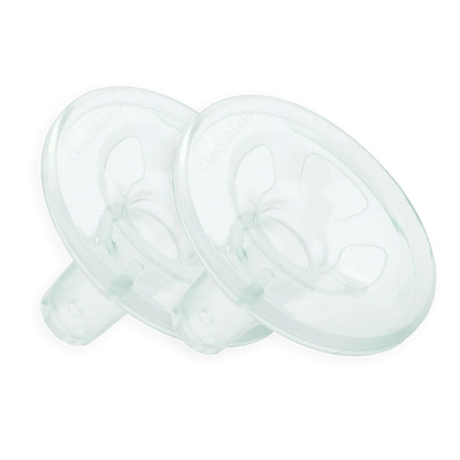
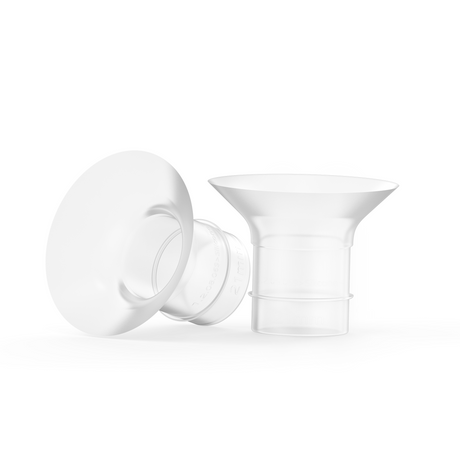
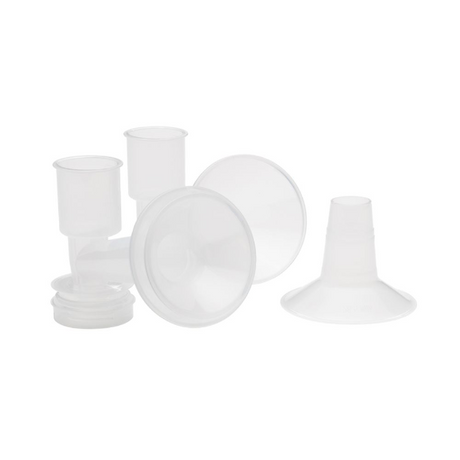
![Two clear silicone flange inserts]()
![A clear plastic funnel with a wide, flared base and a narrow neck at the top. The neck has a slight indentation, and the overall shape resembles an inverted cone, making it suitable for pouring liquids or transferring materials from one container to another. The surface is smooth and shiny, reflecting light.]() View Product
View ProductAmeda CustomFit Breast Pump Flanges™ and Inserts; Comfort Fit Angled Flange
Rated 4.8 out of 5 stars87From $10.25Unit price /Unavailable -

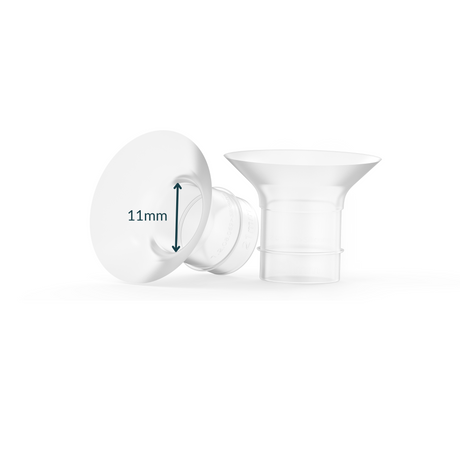
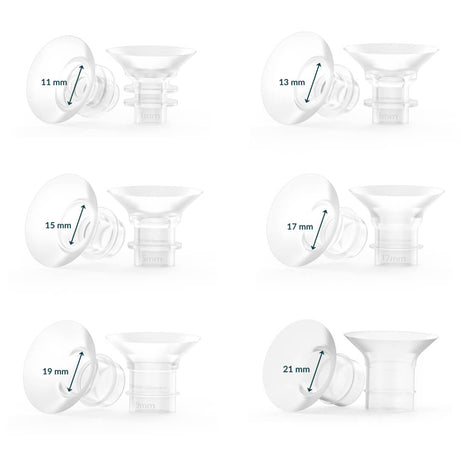
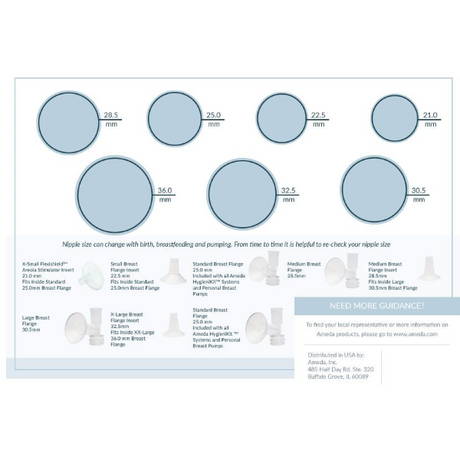
![Two transparent Ameda breast pump flanges, with one lying on its side showing an internal measurement labeled 11mm, indicating the diameter of the nipple tunnel.]()
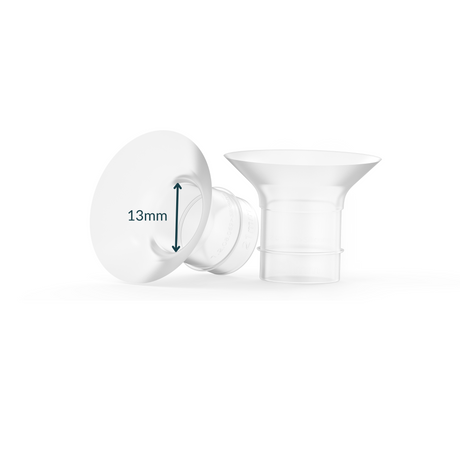
![Two transparent Ameda breast pump flanges, with one lying on its side showing an internal measurement labeled 13mm, indicating the nipple tunnel diameter.]()
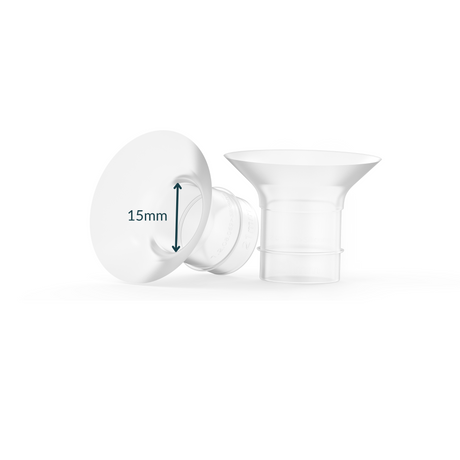
![Two transparent Ameda breast pump flanges, with one positioned on its side showing an internal measurement labeled 15mm, indicating the diameter of the nipple tunnel.]()
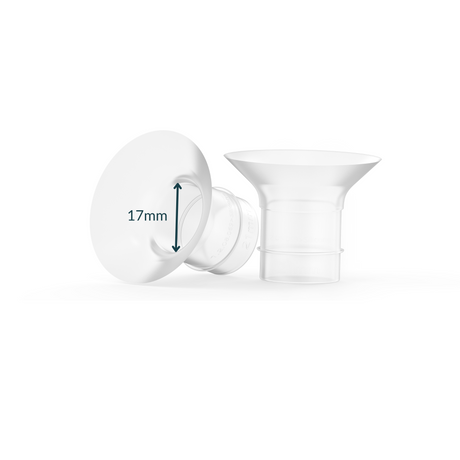
![Two transparent Ameda breast pump flanges, with one lying on its side displaying an internal measurement labeled 17mm, indicating the nipple tunnel diameter.]()
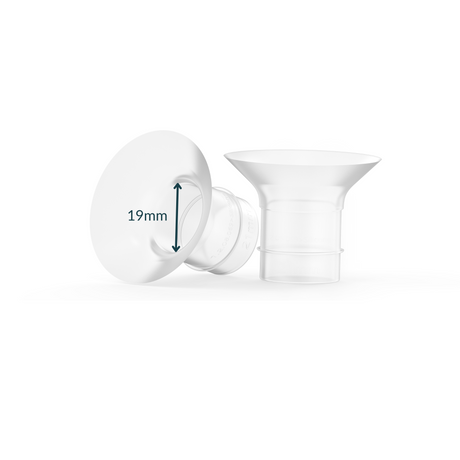
![Two transparent breast pump flanges, one lying on its side showing a 19mm measurement, and the other standing upright.]()
![Two transparent Ameda breast pump flanges, with one flange lying on its side showing an internal measurement labeled 21mm, indicating the nipple tunnel diameter.]()
![Set of clear silicone breast forms with measurements on a white background]()
 View Product
Ameda Universal Soft Breast Pump Flange Inserts
Rated 4.9 out of 5 stars8From $11.99Unit price /Unavailable -
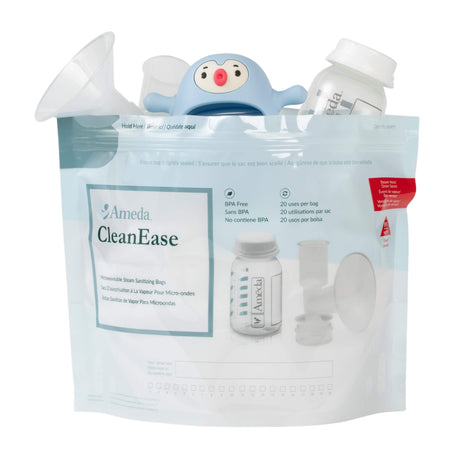
View Product
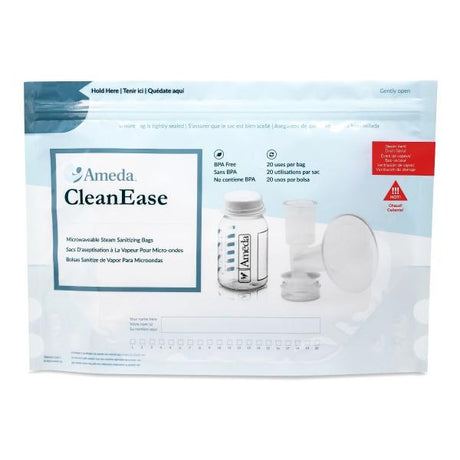
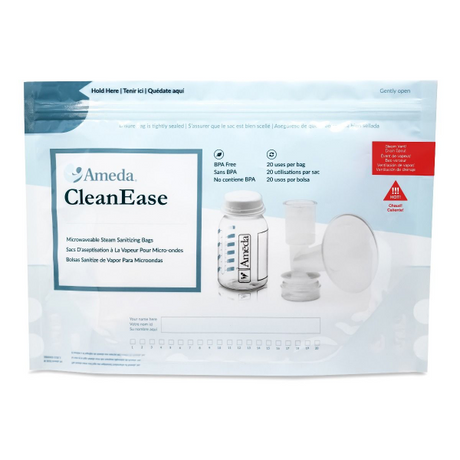
Ameda CleanEase Microwaveable Steam Sanitization Bags
Rated 4.9 out of 5 stars29From $7.99Unit price /Unavailable -
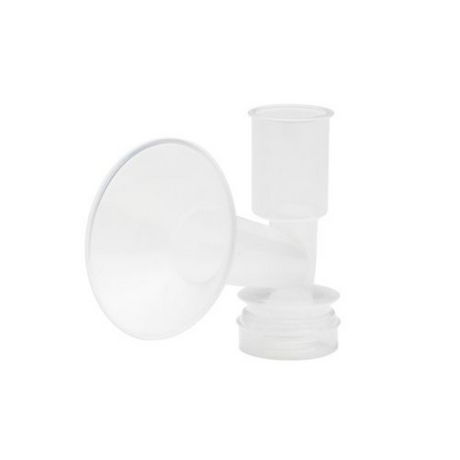
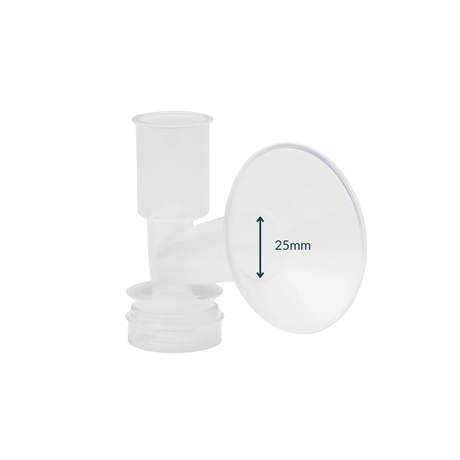
![A clear, plastic breast pump accessory designed for expressing milk. The device features a wide, shallow funnel shape that leads to a curved connecting tube. At the top, there is a small container that collects the milk. The overall appearance is smooth and transparent, allowing for visibility of the inner components.]()
-
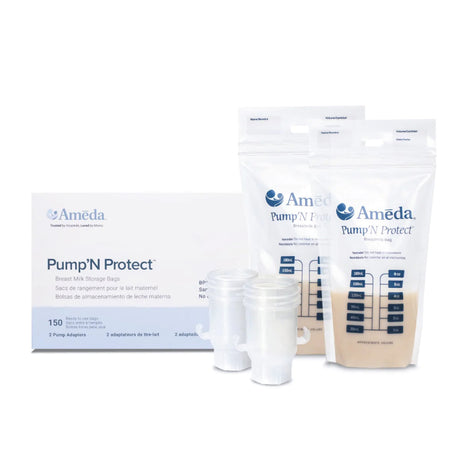
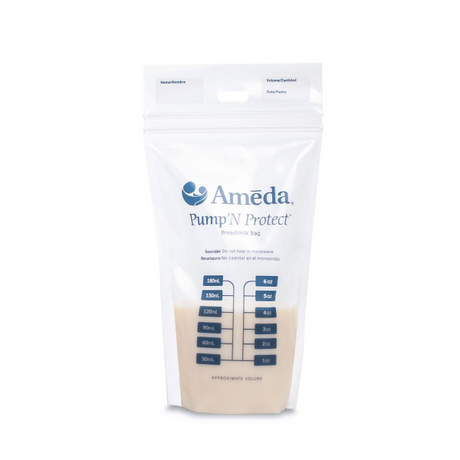
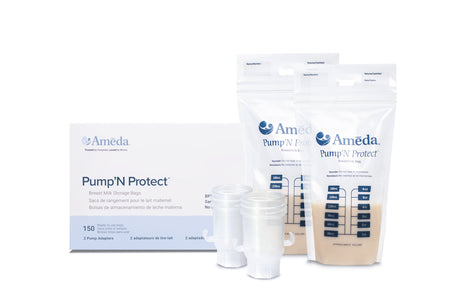
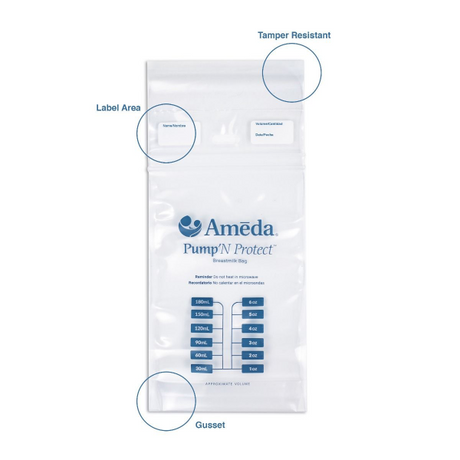
![A product image featuring Ameda Pump'N Protect breast milk storage bags. The packaging includes a white box labeled "Ameda Pump'N Protect" with the text "Breast Milk Storage Bags" in multiple languages. The box contains 150 bags and two white pump adapters. Two clear breast milk storage bags are displayed upright, showing measurement markings for volume in ounces and milliliters. The bags are partially filled with a light beige liquid, representing breast milk.]() View Product
View ProductAmeda Pump 'N Protect® 6 Ounce Milk Storage Bags
Rated 4.9 out of 5 stars47From $9.49Unit price /Unavailable -
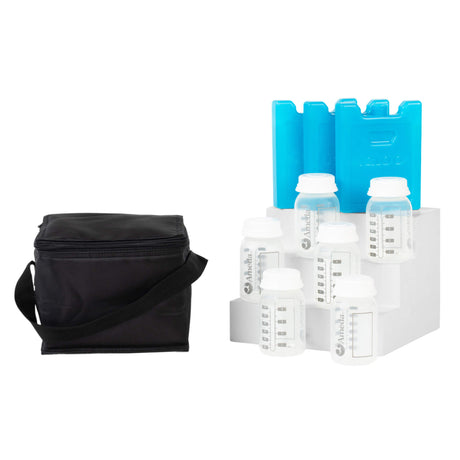
View Product
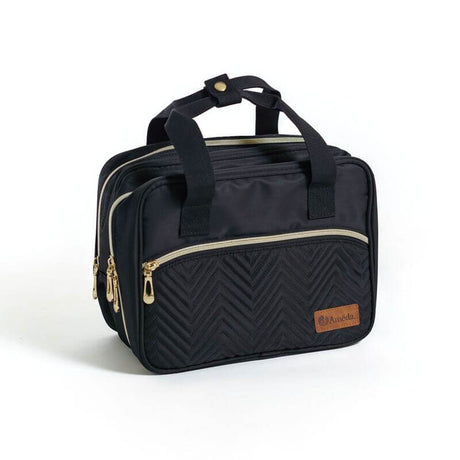
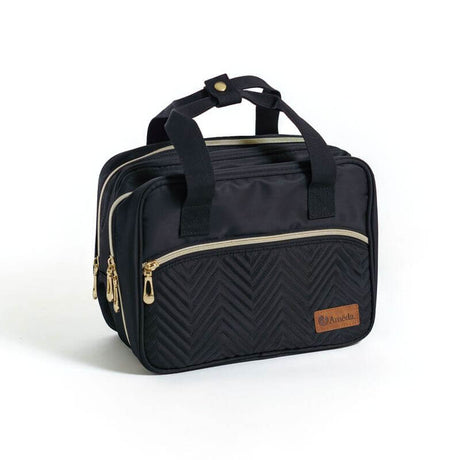
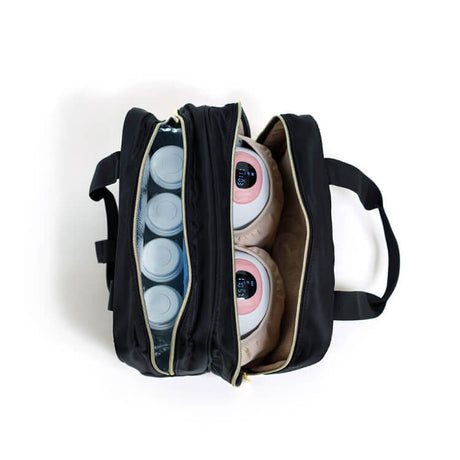
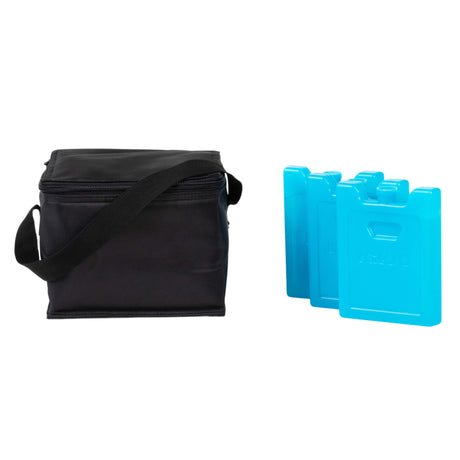
Ameda Cool'N Carry Breast Milk Storage System
$33.69Unit price /Unavailable

About Ameda
With a full portfolio of clinically-based solutions, Ameda is in the hospital ensuring moms get started right with products that are trusted by clinicians and lactation experts. Ameda is one of the few companies that is WHO code compliant in the breastfeeding solutions category. Not all major breastfeeding products manufacturing companies abide this voluntary determination of standard.
Latest Blog Posts
Everything breastfeeding and breast pumping. We have educational material written by IBCLCs, great articles spanning all topics baby, and The Village blog posts from moms just like you.

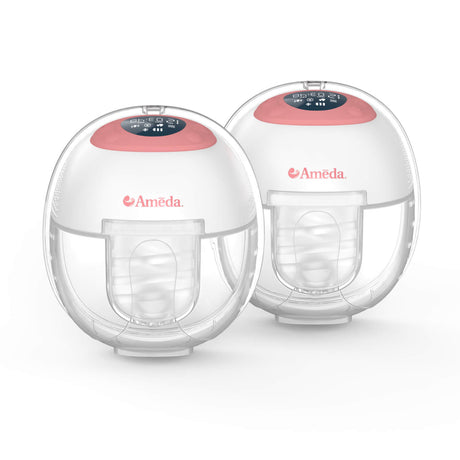
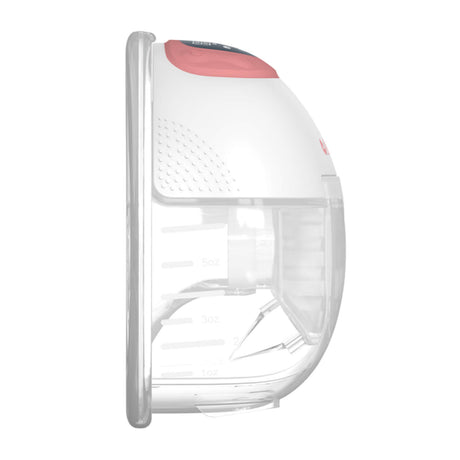
Top Features to Look for in the Best Wearable Breast Pump
Explore the top features to look for in the best wearable breast pump, including comfort, suction strength, battery life, and hands-free convenience.


